

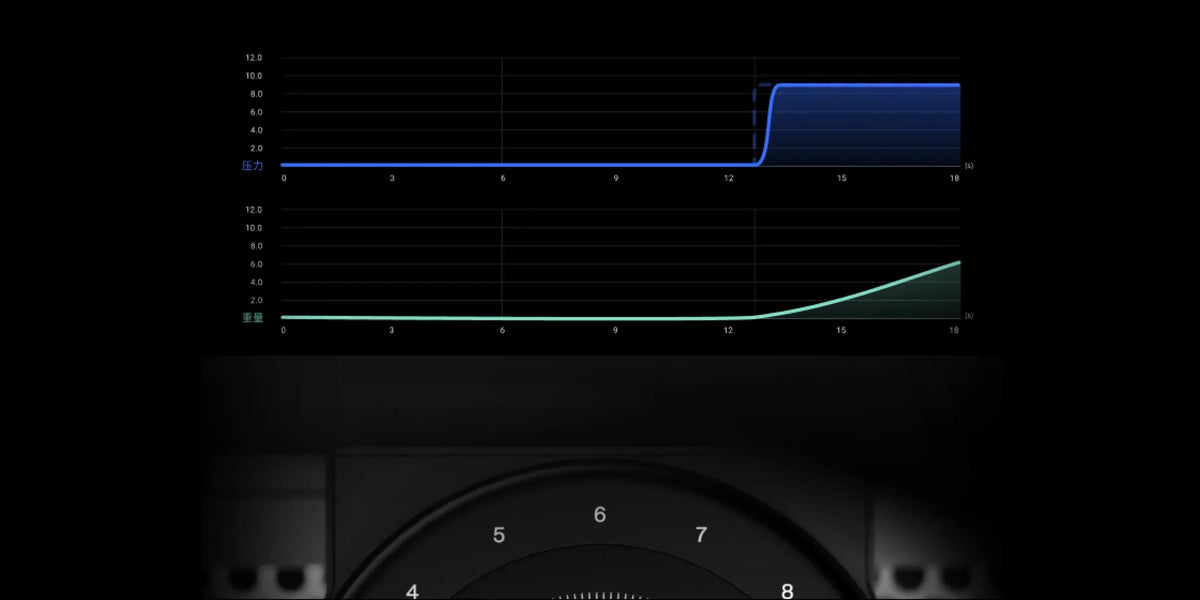
I started looking into pressure profiling after wondering why one espresso tastes silky and balanced, while the next is harsh or hollow? how you control water pressure and flow while the shot runs. Get it right and you can pull sweeter, cleaner, more balanced espresso from the same beans. This guide explains the science in plain terms, shows why a flat 9-bar shot isn't always the best choice, and rounds up the pressure profiling espresso machines that let you shape a shot at home.
TL;DR: The short version (read this first)
Pressure profiling means changing the brew pressure during a shot instead of holding a flat 9 bar. Paired with flow control (adjusting how fast water moves through the coffee), it lets you match the shot to the bean, wet the puck evenly, reduce channeling, and pull sweeter, more balanced espresso.
The core idea is one simple relationship: pressure = flow × resistance. Your pump supplies flow, the coffee puck supplies resistance, and the two together set the pressure. A puck loses resistance as it extracts, so a machine that holds a flat 9 bar ends up pushing hard exactly when the puck is weakest. Profiling fixes that by easing off as the shot develops.
You can profile in three ways: by hand with a flow-control paddle (Lelit Bianca V3, La Marzocco GS3 MP), by programming curves you save and repeat (Wendougee LITA BA and DATA S, Rocket R Nine One, Decent DE1), or with a mix of both. If you want the whole story — the physics, the techniques, and which machine fits your kitchen — keep reading.
On this page
- What is pressure profiling in espresso?
- Pressure profiling vs flow profiling: what's the difference?
- How does pressure actually work in espresso?
- Why isn't a flat 9-bar shot always ideal?
- Why does pre-infusion (and blooming) matter?
- What are the main pressure profiling techniques?
- How do your grinder and roast change the profile?
- What are the benefits of pressure profiling with flow control?
- Which espresso machines have pressure profiling and flow control?
- Pressure profiling espresso machines compared
- How do I choose a pressure profiling machine?
- Frequently asked questions
- Sources
What is pressure profiling in espresso?
Pressure profiling is the practice of changing brew pressure over the course of an espresso shot rather than holding it at a single value. A traditional machine targets a flat 9 bar from start to finish. A profiling machine lets you start gently, ramp to a peak, hold a plateau, or taper off at the end — whatever suits the coffee in the basket.
Most modern espresso machines with pressure profiling pair it with flow control, so you can also decide how fast water enters the puck. That combination is what separates a profiling machine from a standard one. Instead of one fixed recipe for every bean, you get a set of tools you can adjust shot by shot.
Pressure profiling vs flow profiling: what's the difference?
Pressure profiling controls the pressure applied to the puck. Flow profiling controls how fast water moves through it, usually measured in grams per second. They are two views of the same event, linked by pressure = flow × resistance. Change one and the other responds, depending on how much the puck resists.
In practice, the difference is about which variable you hold and which you let move. If you set a flat pressure, the flow rate rises and falls as the puck changes. If you set a flat flow, the pressure spikes early then eases as the coffee saturates. Machines with a flow-control paddle (like the Lelit Bianca V3) let you shape flow directly by hand. Machines with pump-speed control (like the Wendougee DATA S or the Decent DE1) let you target either pressure or flow and save the curve. Both routes give you pressure profiling with flow control; they just hand you the controls differently.
How does pressure actually work in espresso?
Espresso is tied to the number 9 bar, but pressure isn't something the pump sets directly. Pressure is the result of water flow meeting resistance. Picture a garden hose: cover the nozzle and the pressure behind it climbs. In an espresso machine, the pump provides the flow and the bed of fine coffee provides the resistance. Grind finer or tamp harder and resistance rises, so the same flow produces higher pressure. Grind coarser and pressure drops.
The other half of the picture is flow rate. When a pump runs unimpeded, a typical home machine pushes somewhere around 6 to 7 grams of water per second. Once that water hits the puck, resistance builds and pressure climbs. Most machines fit an over-pressure valve (OPV) set near 9 bar that vents anything above the limit, which both protects the machine and standardises the brew. So on a fixed-pump machine, the flow rate during the shot becomes whatever it needs to be, up to the pump's maximum, to hold that pressure.
The 9-bar standard has real history behind it. In 1947 Achille Gaggia patented a spring-lever machine that forced water through coffee at roughly 9 bar — far higher than the steam machines before it — and produced the crema-topped espresso we now take for granted. In 1961 the Faema E61 introduced an electric pump that delivered a constant 9 bar for the whole shot, which made cafés far easier to run and locked 9 bar in as the norm for decades. The lever era, though, never held a flat pressure. A spring naturally starts high and fades as it relaxes, which turns out to matter a great deal.
Why isn't a flat 9-bar shot always ideal?
A coffee puck is not a fixed object. As water passes through it, oils, acids and sugars dissolve, and the bed grows more porous. Its resistance falls as the shot runs, especially past the peak of extraction.
Here is the problem that creates. On a machine holding a constant pressure, when resistance drops the only way to keep 9 bar is to push more water. So near the end of the shot, a fixed-pressure machine tends to hit its maximum flow just as the puck is at its most fragile. Force fast water through a weak bed and it looks for the path of least resistance, breaking through in one spot. That is channeling: part of the coffee over-extracts into bitterness while another part barely extracts at all. The muddy, hollow finish on a lot of home shots comes from exactly this moment.
Lever machines sidestepped the issue by accident. Their pressure starts near 9 bar and tapers toward 6 as the spring unwinds, so flow eases off just as the puck loses resistance. The declining curve happens to match what the coffee needs. When the pump-driven E61 traded that fading curve for a flat one, baristas gained consistency and convenience but gave up some finesse — which is why techniques like long pre-infusion and, later, full pressure profiling came back into fashion.
A rough analogy makes it concrete. Say you start with a 20-gram puck and extract around 20% of it (a normal espresso yield sits near 18 to 22%). By the end, only about 16 grams of solid structure remains. Pushing the same volume of water at full pressure through that lighter, looser bed is like suddenly under-dosing the basket. The water finds weak spots, and the last few seconds turn thin and bitter.
Why does pre-infusion (and blooming) matter?
Flow profiling often matters most in the first few seconds, when water first meets dry coffee. This stage — pre-infusion, or the saturation phase — sets up everything that follows.
A common myth is that slower is always gentler. It isn't. If flow is too slow at the start, the top of the puck soaks and begins extracting while the bottom stays dry, which invites a channel to form. A faster fill wets the whole bed at once and keeps extraction even. In demonstrations with a flow-control valve, a brisk fill of around 6 g/s brings drops through the basket within four or five seconds, meaning water has reached the bottom. A slow trickle of 1 to 2 g/s can leave most of the puck dry after ten seconds. The practical rule is simple: fill the puck quickly, then decide what to do next.
After saturation you can pause. A deliberate rest — often called a bloom, borrowed from filter coffee — lets the wet coffee release trapped CO₂ and lets water soak deeper before full pressure arrives. Done well, it can lift sweetness and raise extraction. There is a catch on traditional machines, though. When you switch the pump off to pause, many machines open a three-way solenoid valve to release pressure (the same valve that dries the puck at the end of a shot). That sudden release can unseat the puck, cracking the coffee cake you just formed. Resume the shot and water rushes straight through the gap.
A real bloom therefore needs equipment that can hold pressure during the pause, or cut flow without tripping the solenoid. A flow paddle like the Lelit Bianca's can halt water without ending the shot. App-driven machines like the Wendougee DATA S or the Decent DE1 can be programmed to hold the puck under pressure and then continue. On a plain on/off machine that vents when the pump stops, a long pause usually ruins the shot rather than improving it.
What are the main pressure profiling techniques?
Once the puck is wet and the shot is running, this is where profiling earns its keep. There is no single correct curve; the right one depends on the bean, the roast, your grinder and your taste. A few approaches cover most of the ground.
Lever-style declining pressure. The classic move: ramp quickly to about 8 or 9 bar for the first few seconds, then taper toward 6 bar as the shot finishes. The high start pulls oils and crema; the fading tail avoids over-extracting the spent puck. This is the profile most machines try to emulate, and it gives that syrupy body and mellow finish people associate with a good lever shot.
Flat flow instead of flat pressure. Some baristas hold a steady flow rate rather than a steady pressure. Scott Rao's longer allongé, for example, sets a flat flow of around 4 g/s for the whole shot, yielding a longer 1:4 or 1:5 drink over roughly 40 seconds. Pressure isn't fixed here: it spikes early then drifts down as the puck gives way. The result leans toward clarity and sweetness, somewhere between espresso and strong filter.
On-the-fly rescues. Control also lets you save a shot mid-pour. If pressure barely reaches 4 or 5 bar, the flow is too fast — dial the flow down and stretch the shot to claw back a decent extraction. If the shot chokes and stalls at 9 bar, ease the paddle open or pause briefly to let the puck relax before continuing. These small real-time decisions are what baristas make on manual levers every day, now within reach at home.
How do your grinder and roast change the profile?
The same curve behaves differently depending on what feeds it. Two shots pulled with an identical flat-flow profile can land in very different places because of the grinder alone.
A grinder that produces more fines adds resistance in the bed. Peak pressure may stay a touch lower, but it holds longer as those fines keep choking the flow, so the curve declines gradually. The cup often comes out heavy-bodied, sometimes with extra bitterness. A high-end flat-burr set with few fines (an EK43 with SSP burrs is the usual example) needs a finer setting to match the shot time, spikes to a higher peak, then drops off faster because there's less to hold the pressure back. That tends to give a cleaner, brighter, sometimes lighter cup. Neither is wrong; they simply reveal different sides of the same coffee.
Roast level pulls in the same direction. Dense light roasts usually reward a longer, gentler pre-infusion and a lower peak so they don't turn sour or sharp. Darker roasts often do better with a shorter, higher-pressure shot that avoids dragging out smoky, bitter notes. The point is to learn the principles rather than chase one fixed recipe, because a profile that shines on one bag may need a tweak on the next.
What are the benefits of pressure profiling with flow control?
Profiling isn't a gimmick; it changes what ends up in the cup. The main gains are worth spelling out.
- More even extraction. Matching pressure to the puck's resistance reduces channeling, which cuts the bitter and astringent edges that come from uneven flow.
- Flavour tuned to each coffee. A gentle profile teases sweetness from a light single origin; a firmer one keeps a chocolatey blend balanced. One machine, many coffees.
- Control over body and clarity. A strong high-pressure phase builds a thick, syrupy shot. A lower or declining profile leans toward a clean, tea-like cup with clear origin character.
- Repeatability. On a programmable machine, once you find a curve that works you can run it again exactly, which trims shot-to-shot variation.
- A window into extraction. Watching pressure and flow change with your grind and dose, then tasting the difference, teaches you more about espresso than any recipe card.
Which espresso machines have pressure profiling and flow control?
Profiling used to live in commercial machines and DIY mods. Now a healthy range of home and prosumer machines offer it. Here are the notable espresso machines with flow control and pressure profiling, from hands-on paddles to fully programmable systems. Prices and availability shift, so we've focused on how each machine works rather than a snapshot figure.
Wendougee LITA BA — most accessible way into full profiling
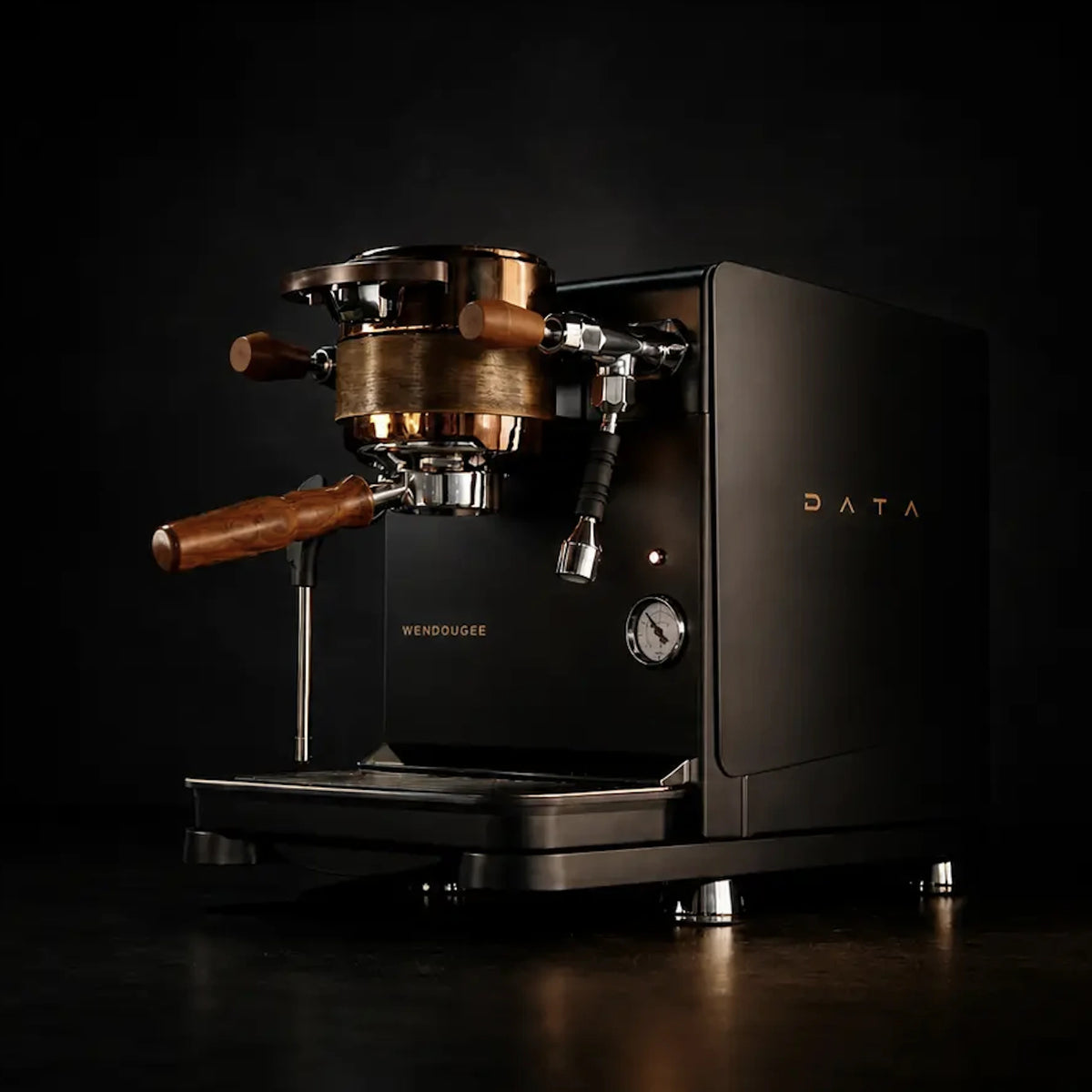
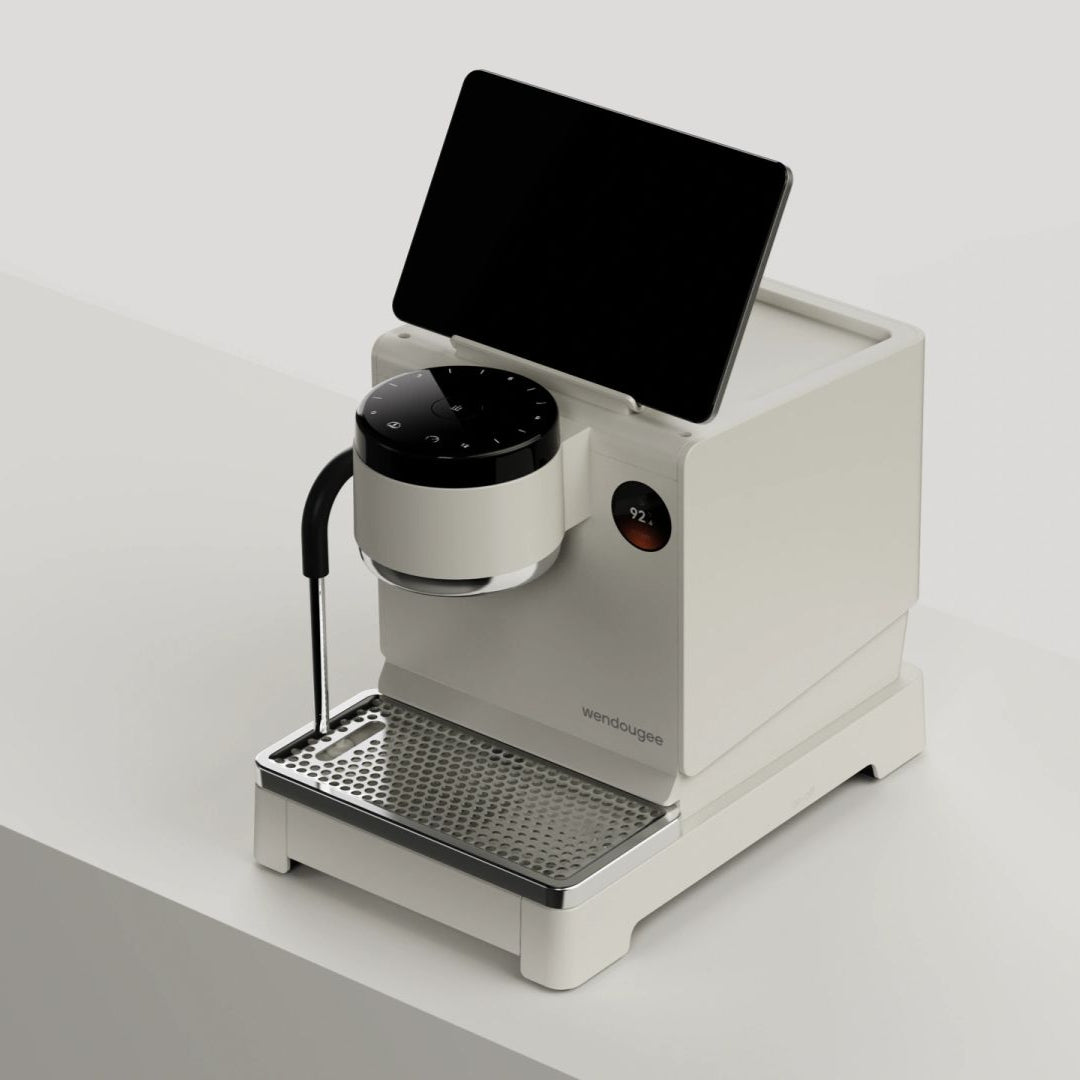
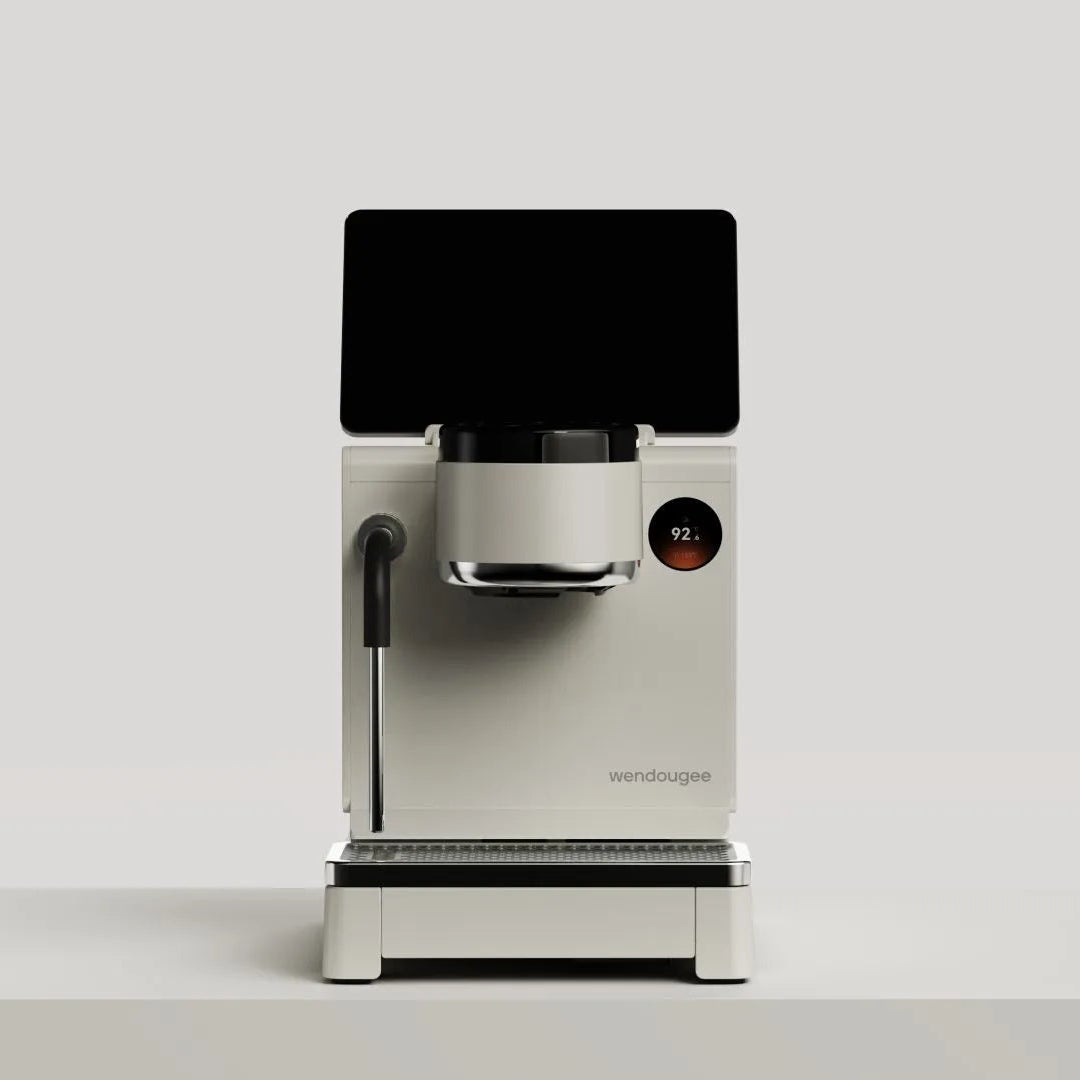
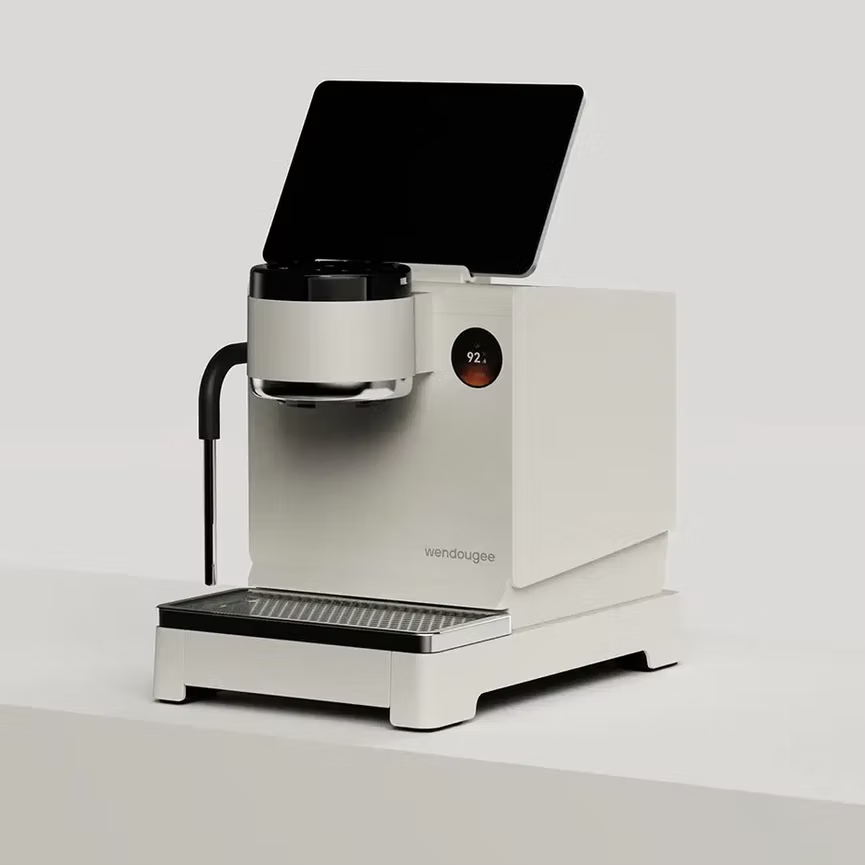
The Wendougee LITA BA is a compact dual-boiler machine that brings genuine pressure and flow profiling to your kitchen at a relatively accessible price (€2,299 on sale, from an original €3,359). It uses two electromagnetic vibratory pumps running at offset frequencies, adjustable from 0 to 12 bar in 0.1-bar steps, all controlled through the Wendougee E-Bar app and an onboard screen so you can run saved profiles without your phone. It pairs a saturated 316L stainless group with true dual boilers, plus a German WIKA pressure sensor and Italian GICAR flow meter feeding live data back to the pump. For a first serious profiling machine that doesn't compromise on components, it's hard to beat.

Wendougee DATA S — the no-compromise flagship
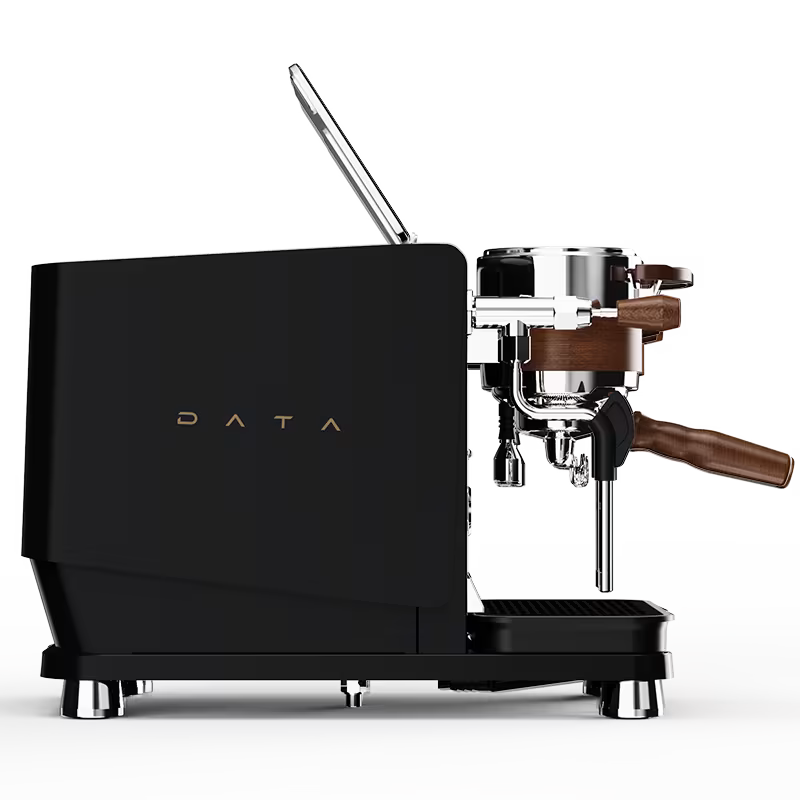
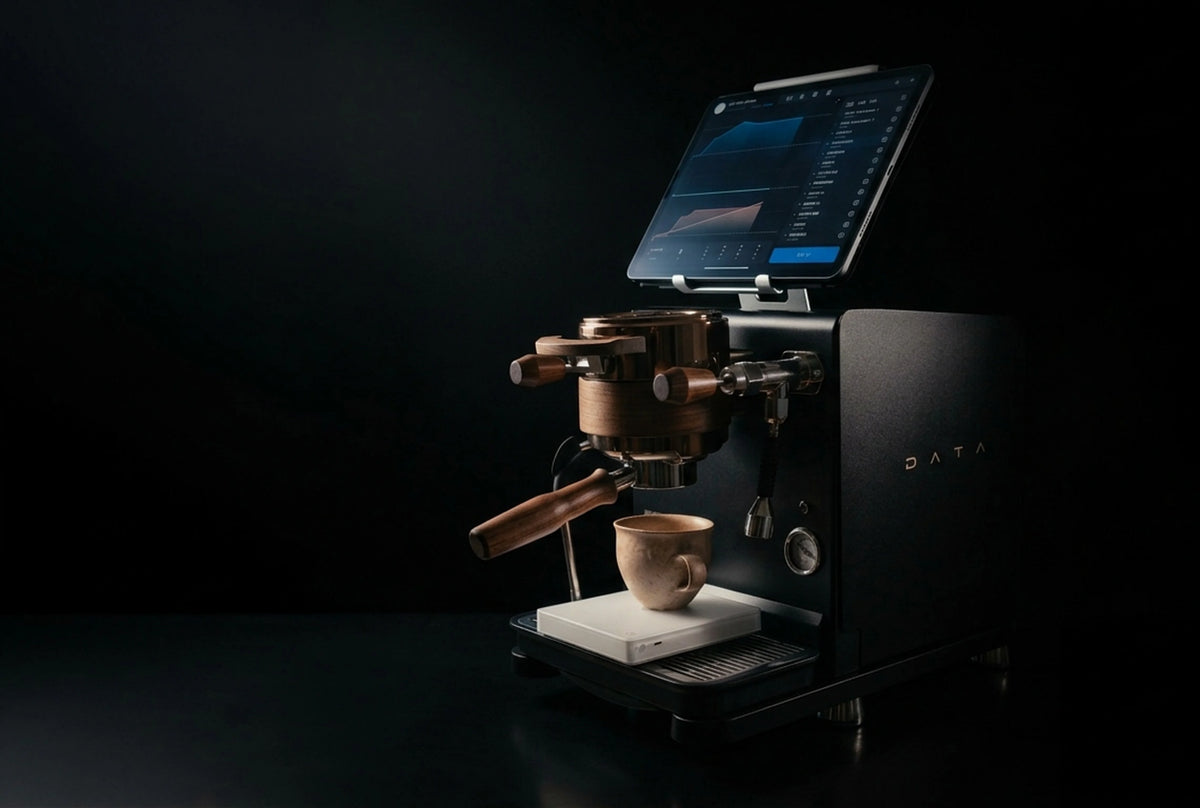
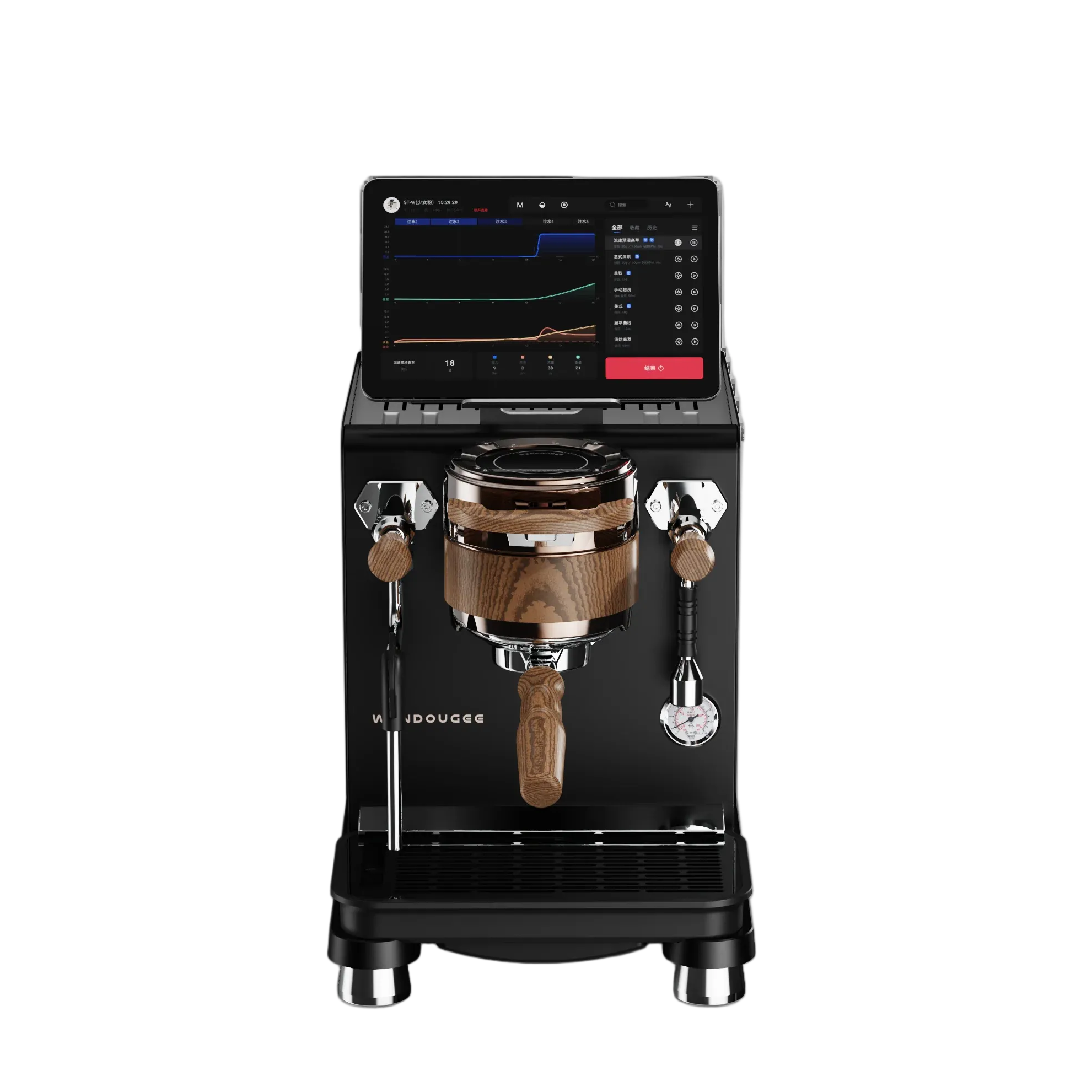
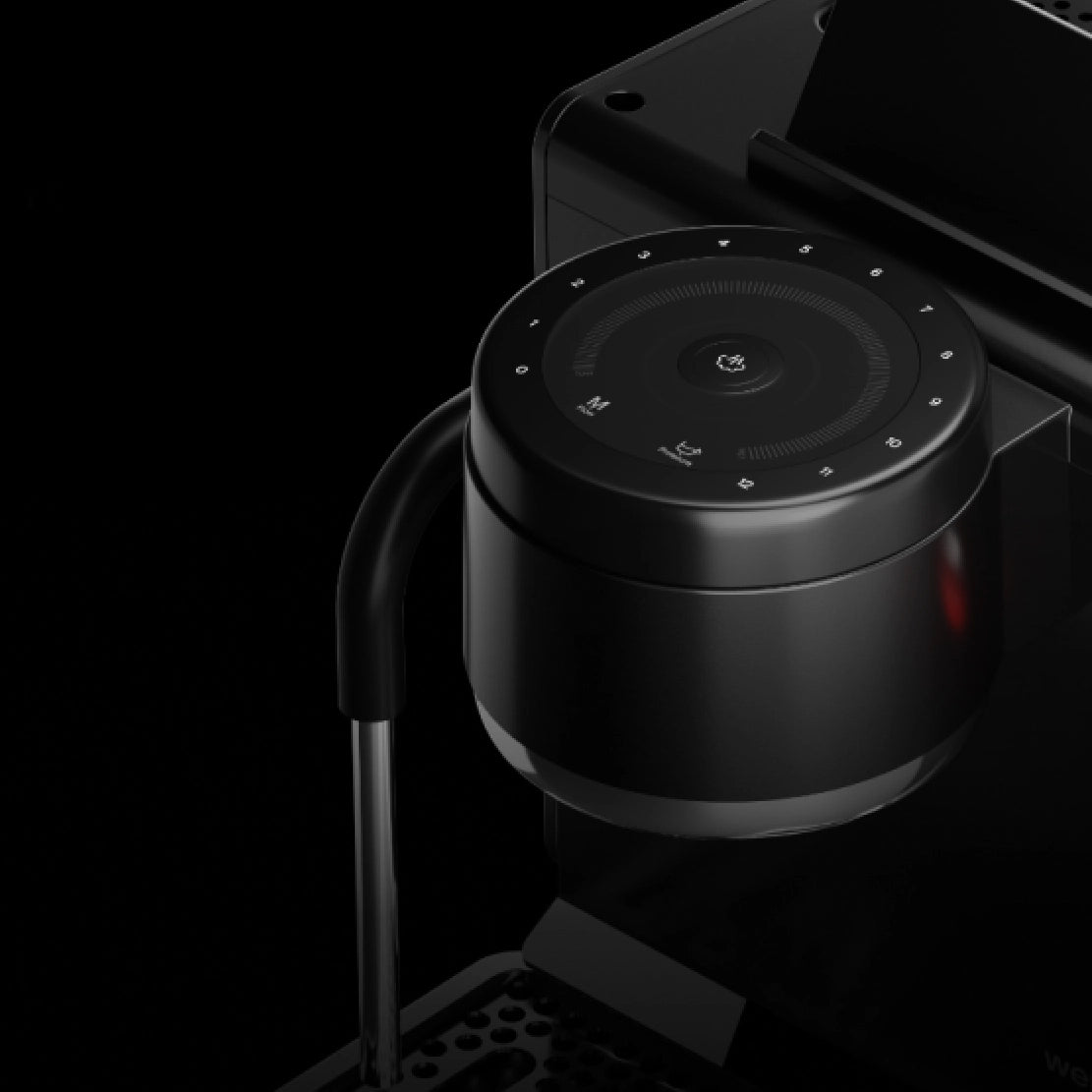
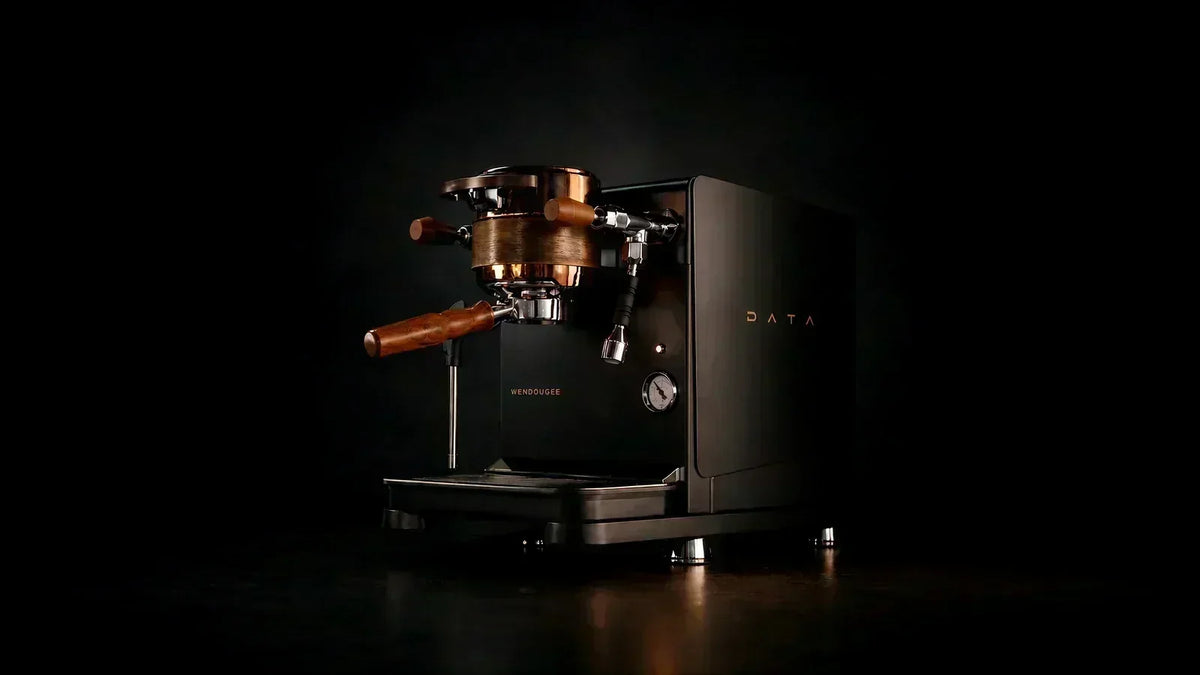
The Wendougee DATA S takes the same profiling DNA further. Its commercial-grade gear pump adjusts speed hundreds of times per second and reaches up to 12 bar in 0.1-bar steps, tracking a programmed curve more smoothly than a vibratory pump — which matters most on the gentle declining tails that light roasts reward. It carries a larger 0.8-litre brew boiler and a 1.8-litre steam boiler, a full stainless body, and direct plumb-in. The same E-Bar app lets you design, save, and share pressure or flow profiles and watch a live graph as the shot pours. accessible price positions it as an end-game home machine, and on capability it earns the label.

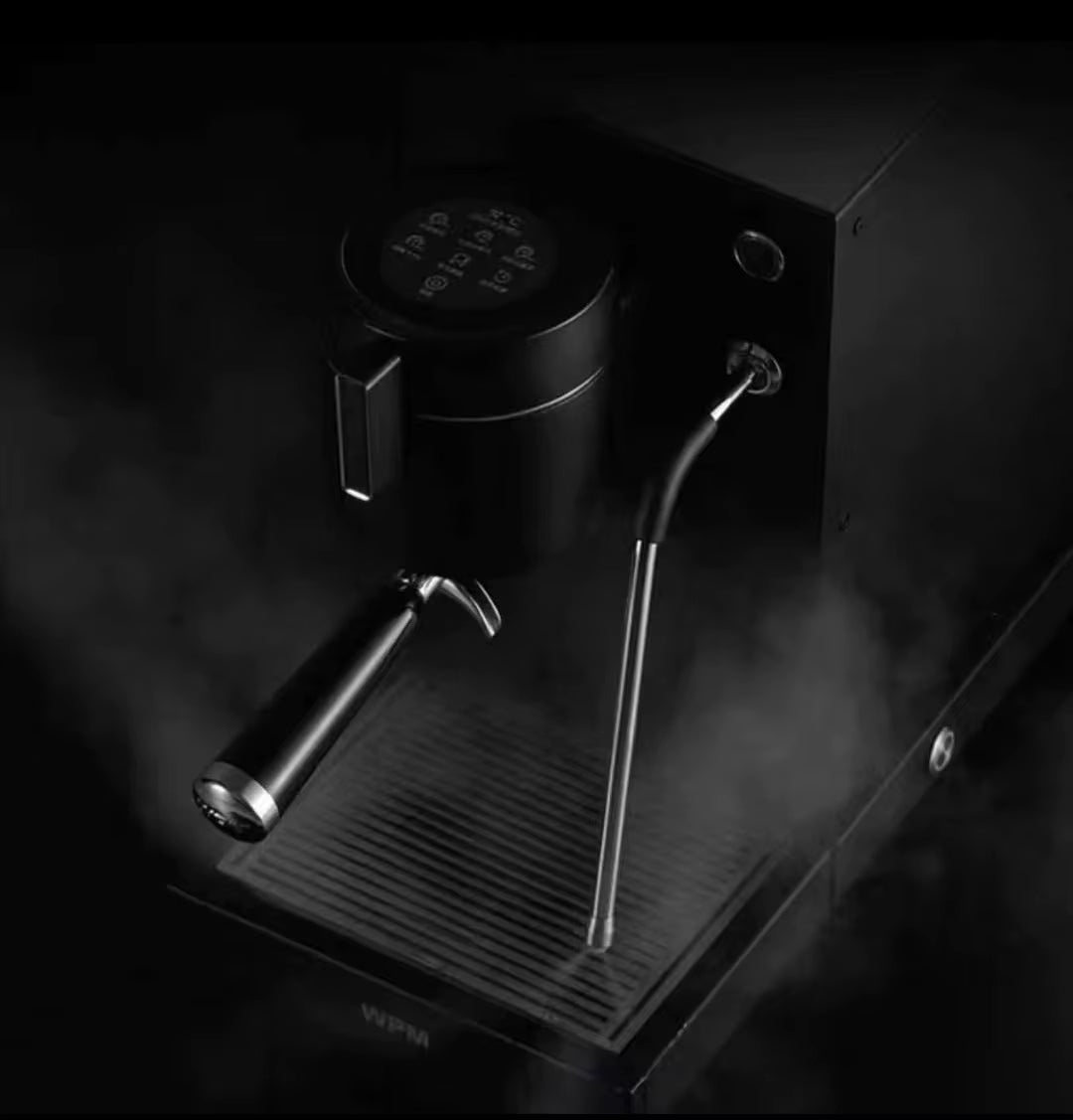
WPM Primus — flagship performance accessible price
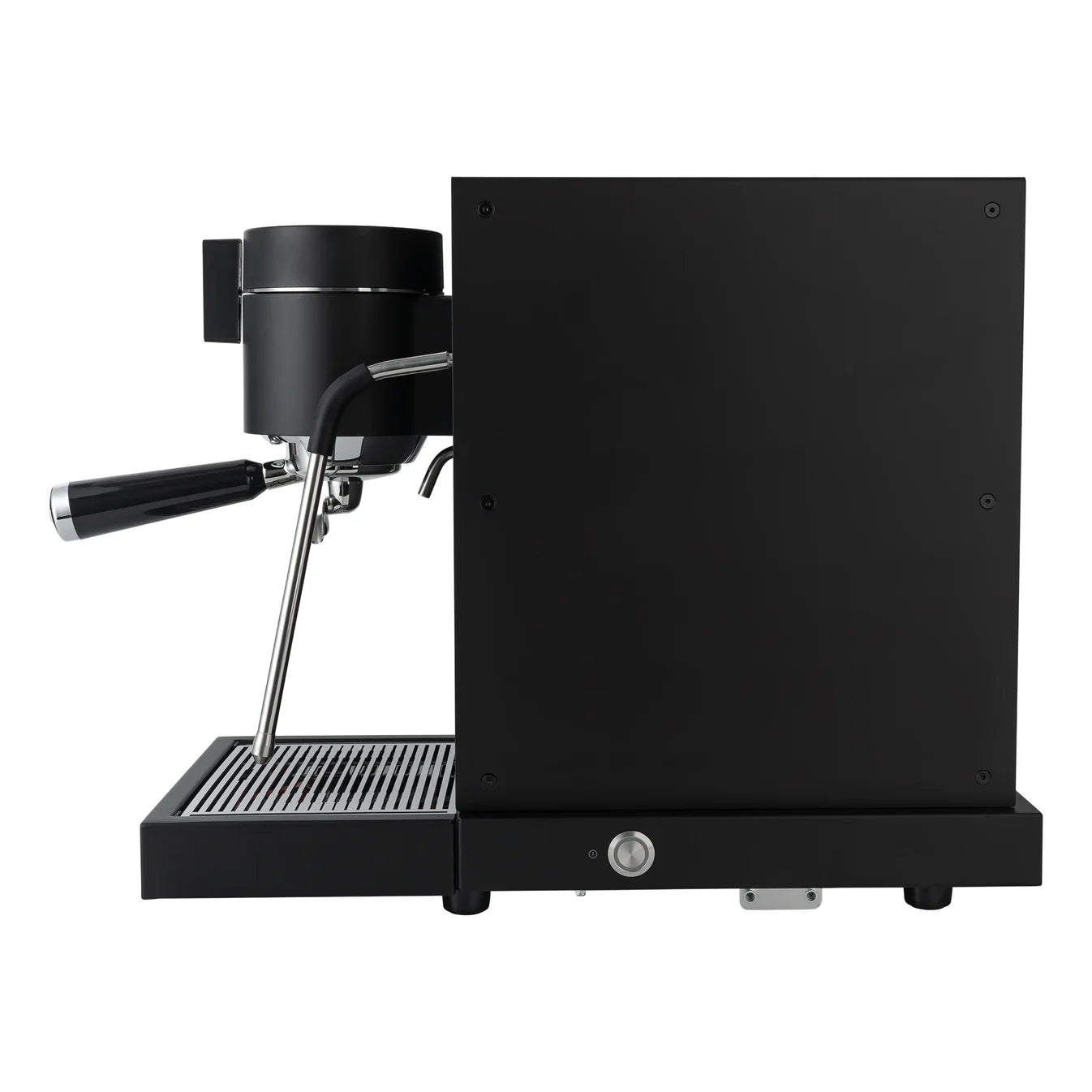
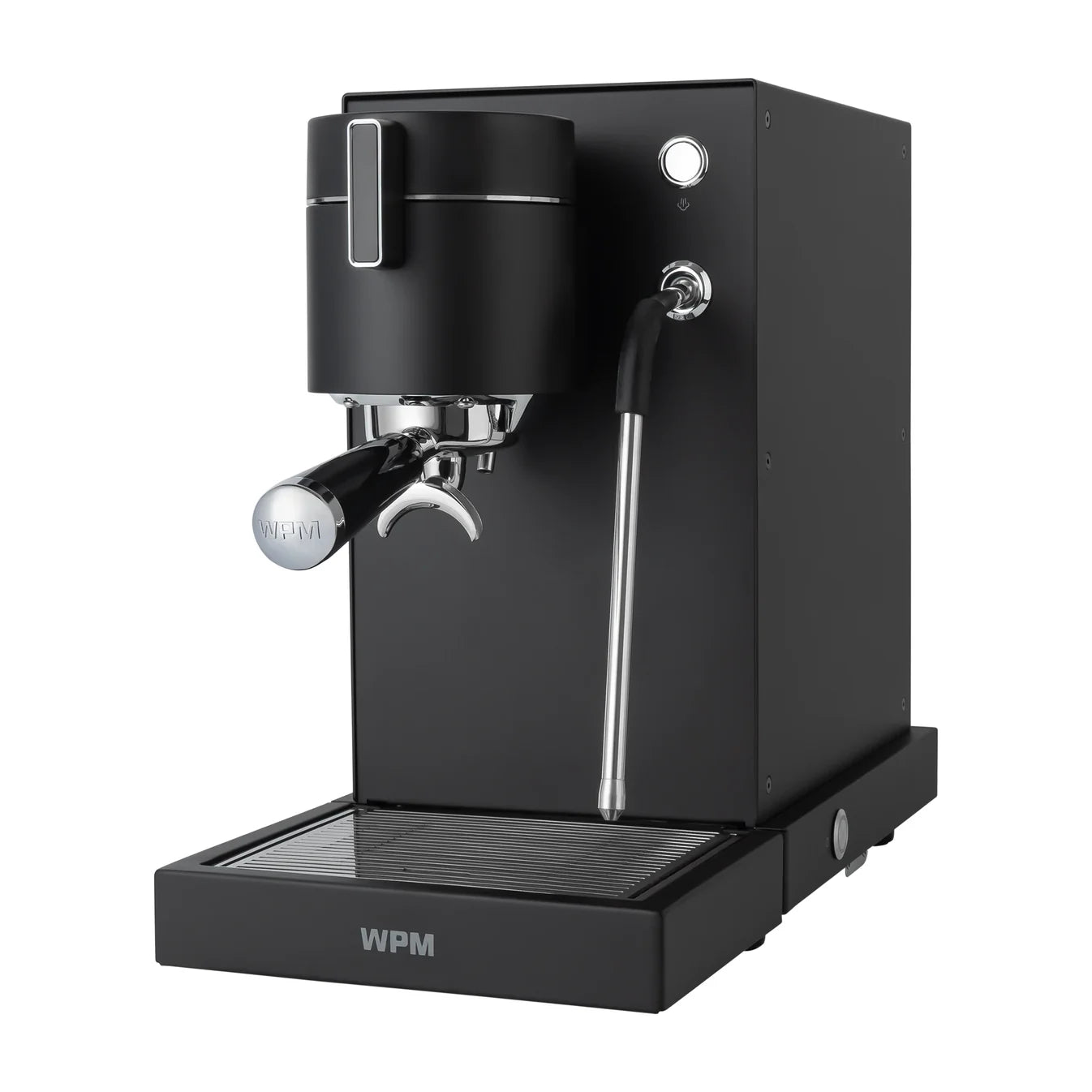
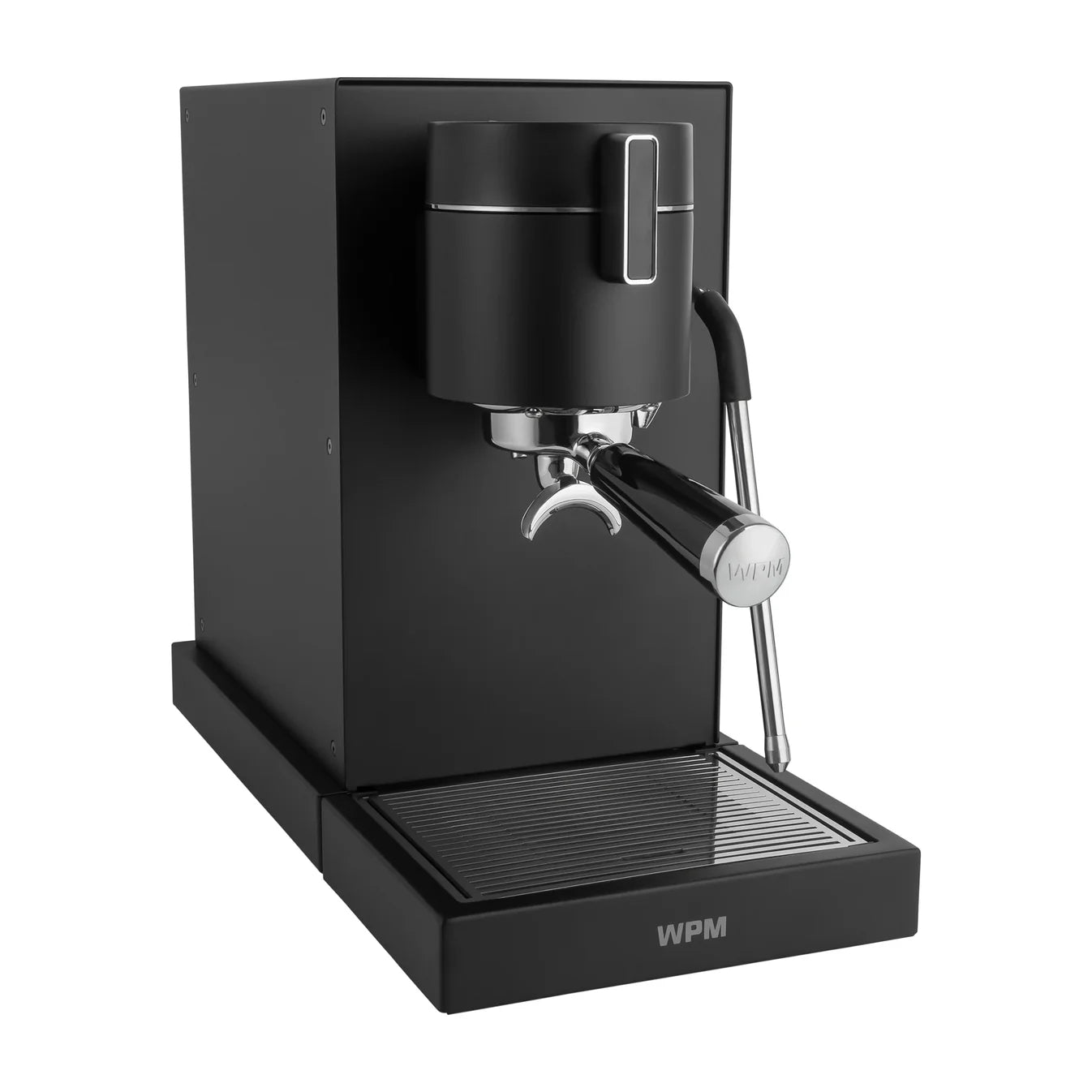
The Primus is the most affordable way into true gear-pump profiling that we carry. The gear pump gives you real-time pressure profiling from 1 to 12 bar in 0.1-bar steps, in either pressure or flow mode, with three brewing modes (manual paddle, semi-auto, fully auto) and room for up to 20 saved profiles. It ships with preloaded profiles including a traditional Italian shot, a ramped third-wave profile, and a lever-style declining-pressure curve, so you can hear what each philosophy sounds like before building your own. A triple hybrid heating system (boiler plus brew thermoblock plus a dedicated steam thermoblock) means it brews and steams at once with great temperature stability and heats up in roughly 3 to 5 minutes, with a circular touchscreen on the group showing live pressure, flow, temperature, and time.

Lelit Bianca V3 — the flow-control paddle benchmark
The Bianca has become a modern classic. It's a dual-boiler, rotary-pump E61 machine with a wooden paddle on the group head that controls a needle valve, letting you adjust flow — and therefore pressure — by hand as the shot runs. With the paddle fully open it delivers roughly 6 to 7 ml/s (about 9 bar on a well-packed puck); rotate it closed and flow stops. The V3 also adds an electronic low-flow mode that simulates a profile without touching the paddle. It won't save complex curves like the app machines, but for anyone who enjoys a tactile, analog approach to profiling, it's a superb and durable choice.
Rocket R Nine One — programmable curves you can record
Rocket's R Nine One brings commercial pedigree home with a saturated group, dual boilers and a variable-speed electronic gear pump that controls pressure via the pump rather than a restricting valve. It offers five programmable pressure profiles set on a colour touchscreen, plus an electronic paddle for live manual control. Its neat trick: it can record your paddle movements and save them as a repeatable recipe, so a freestyle shot you love becomes a one-touch profile. Real-time graphing and volumetric dosing round it out. It sits at the higher end of the prosumer range, and it nails repeatability.
La Marzocco GS3 MP — the manual-paddle gold standard
La Marzocco's GS3 in its MP (manual paddle) form is a benchmark for hands-on control. The paddle governs a needle valve that directly meters pressure into a saturated group, so you can run a line-pressure pre-infusion and then ramp up or ease down by feel. Its dual-boiler, saturated-group design gives famously stable temperature, and the build carries the prestige of the brand. It's fully manual — no saved profiles — which is exactly the appeal for baristas who want a commercial, lever-like feel in a modern machine. It also sits at a premium price.
Sanremo YOU — touchscreen profiling with a front paddle
The Sanremo YOU is a single-group, dual-boiler machine that offers both manual and programmable control. A front paddle drives an internal rotary pump for real-time pressure and flow shaping, while a touchscreen lets you edit and store profiles — six presets plus a set of fully customisable slots — and it can save curves you create by hand with the paddle. A later software update added Beanconqueror app support for detailed shot graphing. Note that its profile transitions run on time or volume rather than adapting to the puck, but as a flexible "taste laboratory" it gives serious control.
Synesso ES1 — commercial MVP tech at home
Synesso, the Seattle maker known for rugged, temperature-stable café machines, built the ES1 to bring that heritage home on residential power. Its profiling runs on MVP (Manual Volumetric Programming): a paddle actuator on the group triggers and shapes the pressure ramps, while a touchscreen programs each phase — pre-infusion, infusion and ramp-down — by pressure and time or by percentage of target volume. Pressure sensors in the brew chamber drive an automatic pre-infusion that detects saturation. You can pull manually, save recipes, and review graphed pressure and flow data. It's a genuine commercial machine in a countertop shell.
Decent DE1 — software-driven precision
No profiling roundup is complete without the Decent. The DE1 (current models include the DE1+, DE1PRO and larger DE1XL/XXL) takes a different path entirely: no traditional boiler, instead a thermocoil and mixing valve controlled by software on an included tablet, with temperature measured close to the puck. It can simulate almost any profile — lever, Slayer, multi-step — and profile temperature and flow as well as pressure, all on live graphs with community profile sharing. It detects puck saturation and ramps automatically, heats up fast, and even brews tea. The learning curve is real and steaming needs the puck-drying trade-off of a single thermal system, but for the data-driven barista, nothing else offers this much control.

Pressure profiling espresso machines compared
| Machine | Profiling method | Pump | Boilers / heating | Saved profiles? |
|---|---|---|---|---|
| Wendougee LITA BA | Pressure & flow, via E-Bar app + onboard screen (0–12 bar, 0.1-bar steps) | Two vibratory pumps | Dual boiler, saturated 316L group | Yes |
| Wendougee DATA S | Pressure & flow, via E-Bar app + wooden paddle (up to 12 bar, 0.1-bar steps) | Commercial gear pump | Dual boiler, saturated 316L group | Yes |
| Lelit Bianca V3 | Manual flow paddle + electronic low-flow mode | Rotary pump | Dual boiler, E61 group | No (manual) |
| Rocket R Nine One | 5 programmable pressure profiles + recordable paddle, touchscreen | Variable-speed gear pump | Dual boiler, saturated group | Yes |
| La Marzocco GS3 MP | Manual paddle (needle valve), line-pressure pre-infusion | Rotary pump | Dual boiler, saturated group | No (manual) |
| Sanremo YOU | Front paddle + touchscreen profiles (6 preset + custom), app graphing | Rotary pump | Dual boiler, heated group | Yes |
| Synesso ES1 | MVP: paddle actuator + touchscreen phases, auto pre-infusion | Single pump | Dual boiler, cast-iron frame | Yes |
| Decent DE1 | Pressure, flow & temperature via tablet software; live graphs | Electronic pump | No boiler (thermocoil + mixing valve) | Yes |
How do I choose a pressure profiling machine?
Start with how you like to work. If you enjoy a hands-on, tactile feel and don't need saved recipes, a paddle machine like the Lelit Bianca V3 or La Marzocco GS3 MP is a joy. If you want to design a curve once and repeat it exactly, a programmable machine like the Wendougee LITA BA, Wendougee DATA S, Rocket R Nine One or Decent DE1 will suit you better. And remember the honest truth every experienced barista repeats: your grinder, your beans and your technique shape the cup more than any single machine. A profiling machine rewards you most once your fundamentals are solid.
Then weigh steam, footprint and budget. Milk-heavy households want a bigger steam boiler and faster recovery; small kitchens want a shallow footprint; and the gap between a gear pump and a dual-pump system shows up mainly on delicate light-roast tails, not on everyday espresso.
Not sure which fits your kitchen? Book a free call with Vellutto. Tell us how you drink your coffee, how much milk you steam and how much counter space you have, and we'll point you to the right machine — no pressure. Reach us through live chat or our contact page, or message us on WhatsApp. Every machine we sell ships insured across the EU and EEA and is backed by local warranty support (2 years for private use, 1 year commercial).
Frequently asked questions
What is pressure profiling in espresso?
Pressure profiling is the practice of varying brew pressure during a shot instead of holding a flat 9 bar. By starting gently, ramping to a peak, and easing off at the end, you can match the pressure to the coffee's changing resistance, reduce channeling, and pull a sweeter, more balanced espresso.
What is the difference between pressure profiling and flow profiling?
Pressure profiling controls the pressure applied to the puck; flow profiling controls how fast water moves through it, in grams per second. They're linked by pressure = flow × resistance, so changing one affects the other. Most machines let you hold one steady while the other responds to the puck.
Do I need pressure profiling to make good espresso?
No. A well-made traditional machine pulls excellent espresso once it's dialed in. Profiling adds control and flexibility — it helps you get more from tricky light roasts and lets you tune each coffee — but your grinder, beans and technique still matter more than the profile itself.
What is flow control on an espresso machine?
Flow control lets you adjust how quickly water flows through the coffee, either with a manual paddle that opens and closes a needle valve, or through software that varies pump speed. It's the tool that makes pre-infusion, blooming and declining-pressure shots possible.
Why is 9 bar the standard espresso pressure?
It dates to Achille Gaggia's 1947 spring-lever machine, which forced water through coffee at around 9 bar and created espresso with crema. The 1961 Faema E61 then delivered a constant 9 bar with an electric pump, and that flat 9-bar standard stuck for decades — even though a declining pressure often extracts more evenly.
Is a lower pressure better for light roasts?
Often, yes. Dense light roasts tend to respond well to a longer, gentler pre-infusion and a lower peak pressure, which brings out sweetness without sharpness. Many baristas ramp gently and drop toward 6 bar rather than hammering the puck at a flat 9 bar.
Which espresso machines can do pressure profiling with flow control?
Options range from manual-paddle machines (Lelit Bianca V3, La Marzocco GS3 MP) to fully programmable ones (Wendougee LITA BA and DATA S, Rocket R Nine One, Sanremo YOU, Synesso ES1, Decent DE1). Paddle machines give a tactile, real-time feel; programmable machines let you save and repeat curves exactly.
Can you pressure profile without a special machine?
Not fully, but you can borrow the ideas. On a standard machine you can still improve results by wetting the puck evenly, using a controlled pre-infusion where your machine allows it, and stopping a shot early to avoid the bitter, over-extracted tail. True in-shot profiling, though, needs flow control or pump-speed control.
Note: this is a sensitive-free general guide. Machine specifications can change between model revisions and markets — always check the current product page for the exact figures before you buy.
Sources
- Gagné, J. The Physics of Filter Coffee and Barista Hustle — extraction resistance, flow, and pressure fundamentals.
- Cameron, M. I. et al. (2020). "Systematically Improving Espresso." Matter — extraction yield and puck behaviour.
- Morris, J. (2020). The Faema E61 Espresso Machine, Perspectives on History — history of the E61 and the constant 9-bar pump.
- Rao, S. — flat-flow allongé technique and profiling principles.
- Lelit — Bianca V3 flow-control paddle, low-flow mode and flow figures.
- Rocket Espresso — R Nine One five programmable profiles and recordable paddle.
- La Marzocco — GS3 MP manual paddle and saturated group.
- Sanremo — YOU paddle, touchscreen profiles and Beanconqueror integration.
- Synesso — ES1 MVP technology and automatic pre-infusion.
- Decent Espresso — DE1 model range, thermocoil heating and software profiling.
- Vellutto — Wendougee LITA BA and Wendougee DATA S product pages.






Share:
Latte Art - How to Steam Milk with Microfoam for for beginners
Fellow Series 1 vs WPM Primus : Which Espresso Machine Should You Buy?